
Choosing a new roof is a major investment for any homeowner or commercial property owner. After all, a roofing system protects the building from rain, sunlight, wind, and other environmental conditions. Therefore, finding experienced Roof Installation Contractors Florida property owners can rely on is an important step toward protecting your investment.
Florida’s climate creates unique roofing challenges. For example, South Florida properties experience intense sunshine, high humidity, heavy rainfall, and seasonal storms. Consequently, a roof must be designed with suitable materials, proper drainage, and reliable installation methods. Moreover, the roofing system should complement the building’s structure and meet applicable Florida building requirements.
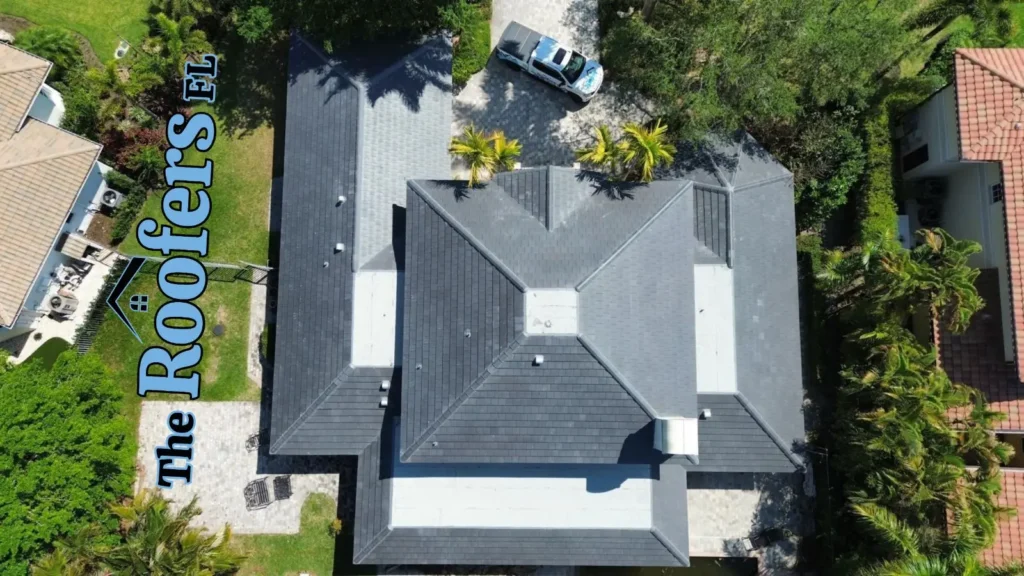
The Roofers FL provides roof installation, replacement, repair, and maintenance services across South Florida. The company works with several roofing systems, including metal, tile, shingles, and flat roofing. As a result, property owners can explore different materials based on their building design, budget, and long-term needs.
Whether you are building a new home, completing a renovation, or replacing an aging roof, understanding the installation process can help you make a more informed decision. In the following guide, we explain what to look for in a roofing contractor, how different materials compare, and which factors deserve attention before your project begins.
Why Professional Roof Installation Matters in Florida
A roof is more than a layer of visible material. Instead, it is a complete system that includes the roof deck, underlayment, flashing, fasteners, ventilation, and drainage details. Therefore, every component must work together to help protect the building.
In Florida, proper installation is particularly important because severe weather can expose weaknesses in the roofing assembly. For instance, poorly secured materials, improperly installed flashing, or inadequate drainage may increase the risk of water intrusion. Similarly, unsuitable products or incorrect installation methods can affect the roof’s performance over time.
Professional roof installation begins with an assessment of the property. The contractor evaluates the roof design, considers the selected material, and identifies any preparation work that may be necessary. Additionally, the installation plan should account for applicable building codes, permits, inspections, and manufacturer requirements.
A properly planned project also helps homeowners understand what they are paying for. Consequently, a detailed written estimate should identify the materials, labor, preparation, cleanup, and other work included in the agreement.
Most importantly, professional installation is not simply about finishing the project quickly. Rather, it is about installing a suitable roofing system carefully, following the relevant specifications, and checking the completed work.
How to Choose Roof Installation Contractors in Florida
Finding a suitable roofing contractor requires more than comparing prices. Although cost is important, the contractor’s experience, communication, installation process, and proposed materials also deserve careful consideration.
First, look for a contractor who understands the type of roofing system your property requires. Installing metal panels, tile, shingles, and flat roofing systems involves different techniques. Therefore, ask about the contractor’s experience with your preferred material.
Next, verify the company’s Florida roofing license and insurance information where applicable. You can also review relevant state and local requirements before signing an agreement. Furthermore, ask whether the project requires permits, inspections, or additional approvals.
A detailed proposal is equally important. For example, the estimate should explain whether old roofing materials will be removed, what underlayment will be installed, and how flashing and roof-edge details will be handled. In addition, it should clarify how concealed damage or unexpected repairs will be priced.
Before selecting a contractor, ask these practical questions:
- What roofing materials are suitable for my property’s design?
- Which specific product and installation system will you use?
- Does the proposal include removal and disposal of the existing roof, if required?
- Are underlayment, flashing, fasteners, and cleanup included?
- Which permits and inspections may be necessary?
- What warranties cover the materials and workmanship?
- How will weather delays or unexpected repairs affect the schedule?
By asking these questions, you can compare proposals more fairly. Ultimately, the right contractor should explain the work clearly rather than pressure you into making a rushed decision.

Roofing Services Available for Different Property Types
Every building has different roofing requirements. For example, a single-family home may need a pitched roof that complements its architecture, while a commercial property may have a large low-slope roof that requires specialized waterproofing.
Consequently, selecting the roofing system should begin with an evaluation of the structure, roof slope, drainage, and intended use.
The Roofers FL provides several roofing services that property owners can explore according to their needs.
New roof installation: New construction requires a roofing system that fits the building’s design and project specifications. Therefore, the contractor should coordinate roof installation with the overall construction schedule.
Roof replacement: An aging or extensively damaged roof may need to be replaced rather than repeatedly repaired. However, the decision should follow an assessment of the existing roof’s condition.
Roof repair: Localized damage may be repairable when the surrounding roofing system remains in suitable condition. Nevertheless, the source of the problem should be identified before work begins.
Roof maintenance: Regular inspections can help identify developing concerns and keep track of the roof’s condition. In addition, maintenance can help property owners plan repairs before problems become more extensive.
Property owners can learn more about professional roof installation services to discuss the requirements of a new roofing project.
Comparing Popular Roofing Materials in Florida
Selecting the right roofing material is one of the most important parts of a new installation. However, there is no single option that suits every property. Instead, the decision depends on roof design, budget, appearance, maintenance expectations, and product specifications.
| Roofing material | Main characteristics | Important considerations |
| Metal roofing | Available in different panel profiles, finishes, and colors | Metal type, coatings, fastening systems, and installation details |
| Tile roofing | Offers a distinctive traditional or Mediterranean-style appearance | Structural load, underlayment, broken tiles, and roof design |
| Asphalt shingles | Available in various styles and price ranges | Product ratings, wind resistance, ventilation, and maintenance |
| Flat roofing | Designed for suitable low-slope roof structures | Waterproofing, seams, drainage, and ponding water |
Metal roofing: Metal can be a suitable option for property owners who want a durable roof with different design possibilities. Nevertheless, the specific panel system, coating, and fastening method must match the property’s requirements. Explore metal roofing installation options to learn more.
Tile roofing: Tile is popular on many Florida homes because of its appearance and range of styles. However, the supporting structure, underlayment, and installation details must be evaluated carefully. Homeowners can review tile roofing services when comparing materials.
Shingle roofing: Shingles offer flexibility in appearance and may suit many residential roof designs. However, homeowners should compare product specifications and installation requirements rather than choosing solely by color or initial price.
Flat roofing: Low-slope roofs require particular attention to drainage and waterproofing. Therefore, the contractor should select a system designed for the roof’s slope and intended use. Learn about flat roofing solutions when planning a suitable project.
Ultimately, comparing the complete roofing system is more useful than comparing materials alone. Underlayment, flashing, labor, ventilation, and future maintenance all affect the overall investment.
Understanding the Roof Installation Process
Knowing what happens during installation can help you prepare your property and understand the contractor’s responsibilities.
Initial Inspection and Project Planning
First, the contractor evaluates the building and discusses the roofing requirements. This assessment may include the roof’s dimensions, slope, existing materials, visible damage, drainage, and ventilation.
Next, the contractor recommends suitable materials and prepares a written estimate. Where necessary, the project plan should also address permits, inspections, product specifications, and installation requirements.
Preparing the Roof Surface
If the project involves replacing an existing roof, the contractor may need to remove the old materials. However, the exact approach depends on the current roofing system, local requirements, and the selected replacement product.
Once the roof is accessible, the deck should be inspected for deterioration. If damaged sections are discovered, the contractor should explain the necessary repairs and obtain approval for additional work according to the agreement.
Installing Underlayment and Roofing Materials
After preparation, the installation team places the required underlayment and other components according to the selected system’s specifications. Then, the roofing materials are installed using the appropriate fastening and detailing methods.
Flashing around valleys, vents, chimneys, and wall intersections is particularly important because these areas can allow water to enter if they are not detailed correctly.
Final Inspection and Cleanup
Finally, the completed roof should be checked for installation issues, incomplete details, and debris. In addition, the property should be cleaned up according to the project agreement.
The homeowner should receive relevant documentation, including warranty information and maintenance recommendations. As a result, the installation process concludes with a clearer understanding of the new roof and its ongoing care requirements.
What Affects the Cost of Roof Installation in Florida?
Roof installation costs vary considerably from one property to another. Therefore, a detailed estimate based on the building’s actual requirements is more useful than relying on a general price.
Several factors influence the final cost.
Roof size: Larger roofs generally require more materials and labor. However, the actual dimensions and layout also affect material usage.
Roof complexity: Steep slopes, multiple sections, valleys, skylights, and other architectural features may require additional labor and specialized detailing.
Material selection: Metal, tile, shingles, and flat roofing systems have different material and installation costs. Furthermore, specific products, finishes, and accessories can affect the total price.
Existing roof removal: If the old roof must be removed, the estimate may include labor, disposal, and preparation of the roof deck.
Structural repairs: Once old materials are removed, previously hidden damage may become visible. Consequently, homeowners should ask how additional repairs will be documented and approved.
Flashing and underlayment: These components help protect vulnerable areas and contribute to the performance of the complete roofing assembly. Therefore, make sure the proposal clearly identifies the included materials.
Permits and inspections: Project requirements depend on the property’s location and scope of work. Confirm which permit-related expenses and inspections are included.
Site access and scheduling: Access to the property, material delivery, and weather conditions can influence the installation schedule and logistics.
To avoid confusion, request an itemized estimate that identifies included work, exclusions, payment terms, and procedures for approving changes. That way, you can compare contractors based on the complete proposal rather than the lowest initial figure.
Preparing Your Property Before Installation Begins
A little preparation can make the installation process more organized. Although the roofing contractor should explain any project-specific requirements, property owners can take several practical steps.
First, move vehicles away from the immediate work area if requested. Roofing materials, tools, and debris may fall during removal and installation, so keeping the designated area clear helps reduce avoidable risks.
Next, protect or relocate fragile outdoor items where appropriate. For example, patio furniture, potted plants, and decorative objects may need to be moved away from the work zone.
Additionally, discuss access arrangements with the contractor. Confirm where materials will be delivered, where equipment may be placed, and which areas should remain clear.
If you work from home or have children or pets, ask about expected noise and daily work hours. Consequently, you can plan around the most disruptive parts of the project.
Finally, confirm the schedule and communication process before work begins. Because Florida weather can change quickly, it is helpful to understand how the contractor will communicate delays and revised completion dates.
Roof Repair or Replacement: Which Do You Need?
Sometimes, a roof problem can be addressed without installing a completely new system. However, the right solution depends on the location, extent, and cause of the damage.
For instance, a localized leak caused by damaged flashing may be repairable when the surrounding roofing materials remain in good condition. Conversely, widespread deterioration, recurring leaks, or extensive storm damage may indicate that replacement deserves consideration.
Therefore, begin with a professional inspection rather than assuming that every leak requires a new roof.
If the issue appears localized, explore roof repair services to understand the possible solutions. However, if the existing roof has reached the point where repairs are no longer practical, consider roof replacement services.
In either case, the contractor should explain the findings, describe the proposed work, and clarify the limitations of the recommended solution. This approach helps property owners make decisions based on the roof’s actual condition.
Roof Maintenance After Installation
A newly installed roof still requires appropriate care. Although the maintenance needs vary by material, routine inspections can help identify concerns before they become more extensive.
To begin with, arrange inspections according to the manufacturer’s guidance and the roof’s exposure conditions. Additionally, consider an inspection after a significant storm if damage is suspected.
Keep gutters and downspouts clear so rainwater can drain correctly. Meanwhile, pay attention to ceiling stains, peeling paint, musty odors, and other possible signs of moisture intrusion.
Furthermore, avoid climbing onto steep, wet, or damaged roofs. Instead, contact a qualified professional when a closer inspection or repair is needed.
Homeowners can learn about roof maintenance services to discuss an appropriate maintenance plan. With consistent care, you can keep track of your roof’s condition and plan for necessary work more effectively.
Emergency Roofing Issues in Florida
Storms can cause sudden roofing problems, including leaks, damaged flashing, displaced materials, and water intrusion. Therefore, homeowners should know how to respond when urgent damage occurs.
If water enters the property, move belongings away from the affected area when it is safe to do so. However, stay clear of sagging ceilings, exposed wiring, and areas where structural damage may be present.
Do not climb onto the roof during a storm or attempt repairs on a wet surface. Instead, contact a qualified roofing professional to discuss safe next steps.
For urgent leaks or storm-related concerns, review emergency roofing services. Prompt professional attention may help address immediate problems and determine whether additional repairs are needed.
Moreover, document visible damage from a safe location when possible. Photographs and records may help when discussing the incident with your insurance company, although coverage depends on the policy and circumstances.
Frequently Asked Questions About Roof Installation Contractors in Florida
How do I choose roof installation contractors in Florida?
Compare relevant experience, license and insurance information, material recommendations, written estimates, warranties, and communication practices. In addition, verify that the contractor understands the roofing system selected for your property.
What roofing materials does The Roofers FL install?
The company lists metal, tile, shingle, and flat roofing systems among its roofing options. The best choice depends on the property’s design, roof slope, budget, and applicable requirements.
How long does roof installation take?
The timeline depends on roof size, material, complexity, weather, and preparation requirements. A straightforward project may take less time than a complex installation; therefore, ask the contractor for a project-specific schedule.
Do I need a permit for a new roof in Florida?
Permit requirements depend on the project, property location, and applicable regulations. Confirm the requirements with the contractor and relevant local building department before work begins.
How much does a new roof cost in Florida?
The cost depends on roof size, materials, labor, roof complexity, tear-off requirements, and any necessary structural repairs. Therefore, request an itemized estimate based on an inspection.
Is metal roofing suitable for Florida homes?
Metal roofing may be suitable when the selected product meets applicable building requirements and is installed correctly. However, homeowners should check the system’s wind-related ratings, corrosion protection, fastening method, and warranty conditions.
Should I repair or replace my roof?
Localized damage may be repairable, whereas widespread deterioration or repeated problems may justify replacement. A professional inspection can help determine which approach is appropriate for the roof’s condition.
Choose The Roofers FL for Your Roofing Project
Finding the right roof installation contractor involves more than selecting a material or comparing prices. Instead, successful planning requires an understanding of the property’s needs, appropriate material selection, proper installation, and a realistic maintenance plan.
For Florida homeowners and property managers, these decisions are particularly important because heat, heavy rain, humidity, and seasonal storms can place demands on roofing systems. Therefore, take time to compare proposals, ask detailed questions, and confirm that the selected materials are appropriate for your building.
The Roofers FL provides roof installation, replacement, repair, and maintenance services throughout South Florida, including Miami-Dade, Broward, and Palm Beach counties. The company works with metal, tile, shingle, and flat roofing systems, allowing property owners to discuss different options for their projects.
Ready to plan your roof installation? Visit The Roofers FL’s official website to learn more about its roofing services and request an estimate.
Phone: (954) 281-4118
Email: info@theroofersfl.com
With the right planning, suitable materials, and professional installation, you can make a more informed investment in your property’s protection and long-term roofing needs.