
Tile Roof Installation Experts in Florida: Durable, Beautiful Roofing Solutions by The Roofers FL

Florida homeowners need a roof that combines attractive design, dependable protection, and long-term performance. Because the Sunshine State experiences intense heat, heavy rainfall, high humidity, and seasonal hurricanes, choosing the right roofing material is especially important. For homeowners planning a new construction project or upgrading an aging roof, tile roof installation experts in Florida can help create a roofing system that complements the property while addressing local weather challenges. At The Roofers FL, homeowners across South Florida can explore professional roofing solutions designed around their property’s needs. Tile roofing is a popular choice because it offers distinctive curb appeal, a variety of styles, and the potential for a long service life when properly selected, installed, and maintained. Furthermore, a carefully planned installation can help protect the home’s structure and improve its overall appearance. However, a successful tile roof project involves much more than placing tiles across a roof. The roof deck, underlayment, flashing, drainage, fastening methods, and overall structural capacity all matter. Therefore, working with an experienced roofing team is essential when investing in a new tile roof. Why Tile Roof Installation Is a Smart Choice in Florida Tile roofing is well suited to many Florida architectural styles, including Mediterranean, Spanish-inspired, coastal, and contemporary homes. In addition, its distinctive appearance can give a property a polished, timeless finish. Nevertheless, appearance is only one reason homeowners consider tile. The material can also offer practical advantages when the complete roofing system is designed for the local climate. First, tile is available in materials such as clay and concrete. Both options come in different shapes, finishes, and colors, allowing homeowners to match the roof to their exterior paint, landscaping, and architectural features. Consequently, it is easier to create a consistent appearance across the property. Second, many tile products offer strong resistance to weather-related wear. However, the performance of the finished roof depends on the specific tile, installation method, underlayment, and compliance with applicable building requirements. Even durable tiles can crack if they are struck, handled improperly, or walked on incorrectly. Finally, tile roofing can provide long-term value. Although the initial installation cost may be higher than some alternative roofing options, a well-maintained tile system can remain serviceable for many years. The underlayment and other concealed components, however, may require attention before the tiles themselves reach the end of their useful life. Professional Tile Roof Installation for Florida Homes Every property has different roofing requirements. For that reason, professional installation should begin with an evaluation rather than a one-size-fits-all estimate. The Roofers FL provides roofing solutions throughout South Florida, including tile roofing, roof repairs, replacements, and maintenance. The company also works with metal, shingle, and flat roofing systems. Therefore, homeowners can discuss the most suitable roofing approach based on their property, budget, and long-term goals. A typical tile roof installation project involves several important stages. Roof inspection and project assessment First, the roofing team evaluates the existing roof or new construction plans. The assessment should consider the roof’s dimensions, slope, condition, drainage, penetrations, and visible structural concerns. If an older roof is being replaced, the condition of the underlying deck and existing roofing layers must also be considered. Structural suitability Next, the contractor determines whether the roof structure is appropriate for the selected tile system. Because concrete and clay tiles can be relatively heavy, the building’s structural capacity must be verified before installation. If reinforcement or other structural work is necessary, it should be addressed before the roofing materials are installed. Tile placement and fastening The installer then lays out the tiles according to the roofing design and manufacturer requirements. Proper spacing, alignment, fastening, and detailing are essential. Additionally, roof edges, ridges, hips, and valleys require particular attention because these areas can be more vulnerable to wind and water intrusion. Final inspection and cleanup Finally, the completed roof should be reviewed for visible defects, proper detailing, and project-specific requirements. The work area should also be cleaned, and the homeowner should receive clear information about maintenance and any applicable product or workmanship warranties. For homeowners considering a complete upgrade, The Roofers FL also provides professional roof replacement services, helping property owners evaluate options for an aging or damaged roofing system. Choosing the Right Tile Roofing Material Selecting the right tile is one of the most important decisions in the installation process. Although color and shape matter, homeowners should also consider weight, durability, maintenance, cost, and compatibility with the property. Clay and concrete are two widely used tile roofing materials. However, neither is automatically the best choice for every home. The right option depends on the product specifications, structural capacity, design preferences, and installation requirements. Roofing consideration Clay roof tiles Concrete roof tiles Appearance Traditional, elegant, and available in distinctive finishes Versatile styles, profiles, and colors Weight Varies by product and profile Varies by product and profile Durability Can provide a long service life with proper installation and care Can provide a long service life with proper installation and care Maintenance Periodic inspection and prompt replacement of damaged tiles are important Periodic inspection and prompt replacement of damaged tiles are important Initial investment Depends on tile type, brand, and project complexity Depends on tile type, brand, and project complexity Best selection method Compare specifications, appearance, and structural requirements Compare specifications, appearance, and structural requirements Importantly, the table provides general guidance rather than a guarantee of performance. Therefore, homeowners should review the specifications of the actual products being considered and obtain a project-specific estimate. How Florida Weather Affects Tile Roof Installation Florida’s climate creates several challenges for roofing systems. For example, intense sunlight can expose roofing materials to repeated heat cycles, while humidity and heavy rain can make drainage and moisture control especially important. Furthermore, tropical storms and hurricanes can produce strong winds and wind-driven rain. Consequently, the installation method must be appropriate for the property’s location, roof design, selected materials, and applicable building code. A durable tile roof is not simply a collection of strong tiles. Instead, it is a complete system in which the
Roof Installation Contractors Florida: A Complete Guide to Choosing the Right Roofing Team

Choosing a new roof is a major investment for any homeowner or commercial property owner. After all, a roofing system protects the building from rain, sunlight, wind, and other environmental conditions. Therefore, finding experienced Roof Installation Contractors Florida property owners can rely on is an important step toward protecting your investment. Florida’s climate creates unique roofing challenges. For example, South Florida properties experience intense sunshine, high humidity, heavy rainfall, and seasonal storms. Consequently, a roof must be designed with suitable materials, proper drainage, and reliable installation methods. Moreover, the roofing system should complement the building’s structure and meet applicable Florida building requirements. The Roofers FL provides roof installation, replacement, repair, and maintenance services across South Florida. The company works with several roofing systems, including metal, tile, shingles, and flat roofing. As a result, property owners can explore different materials based on their building design, budget, and long-term needs. Whether you are building a new home, completing a renovation, or replacing an aging roof, understanding the installation process can help you make a more informed decision. In the following guide, we explain what to look for in a roofing contractor, how different materials compare, and which factors deserve attention before your project begins. Why Professional Roof Installation Matters in Florida A roof is more than a layer of visible material. Instead, it is a complete system that includes the roof deck, underlayment, flashing, fasteners, ventilation, and drainage details. Therefore, every component must work together to help protect the building. In Florida, proper installation is particularly important because severe weather can expose weaknesses in the roofing assembly. For instance, poorly secured materials, improperly installed flashing, or inadequate drainage may increase the risk of water intrusion. Similarly, unsuitable products or incorrect installation methods can affect the roof’s performance over time. Professional roof installation begins with an assessment of the property. The contractor evaluates the roof design, considers the selected material, and identifies any preparation work that may be necessary. Additionally, the installation plan should account for applicable building codes, permits, inspections, and manufacturer requirements. A properly planned project also helps homeowners understand what they are paying for. Consequently, a detailed written estimate should identify the materials, labor, preparation, cleanup, and other work included in the agreement. Most importantly, professional installation is not simply about finishing the project quickly. Rather, it is about installing a suitable roofing system carefully, following the relevant specifications, and checking the completed work. How to Choose Roof Installation Contractors in Florida Finding a suitable roofing contractor requires more than comparing prices. Although cost is important, the contractor’s experience, communication, installation process, and proposed materials also deserve careful consideration. First, look for a contractor who understands the type of roofing system your property requires. Installing metal panels, tile, shingles, and flat roofing systems involves different techniques. Therefore, ask about the contractor’s experience with your preferred material. Next, verify the company’s Florida roofing license and insurance information where applicable. You can also review relevant state and local requirements before signing an agreement. Furthermore, ask whether the project requires permits, inspections, or additional approvals. A detailed proposal is equally important. For example, the estimate should explain whether old roofing materials will be removed, what underlayment will be installed, and how flashing and roof-edge details will be handled. In addition, it should clarify how concealed damage or unexpected repairs will be priced. Before selecting a contractor, ask these practical questions: By asking these questions, you can compare proposals more fairly. Ultimately, the right contractor should explain the work clearly rather than pressure you into making a rushed decision. Roofing Services Available for Different Property Types Every building has different roofing requirements. For example, a single-family home may need a pitched roof that complements its architecture, while a commercial property may have a large low-slope roof that requires specialized waterproofing. Consequently, selecting the roofing system should begin with an evaluation of the structure, roof slope, drainage, and intended use. The Roofers FL provides several roofing services that property owners can explore according to their needs. New roof installation: New construction requires a roofing system that fits the building’s design and project specifications. Therefore, the contractor should coordinate roof installation with the overall construction schedule. Roof replacement: An aging or extensively damaged roof may need to be replaced rather than repeatedly repaired. However, the decision should follow an assessment of the existing roof’s condition. Roof repair: Localized damage may be repairable when the surrounding roofing system remains in suitable condition. Nevertheless, the source of the problem should be identified before work begins. Roof maintenance: Regular inspections can help identify developing concerns and keep track of the roof’s condition. In addition, maintenance can help property owners plan repairs before problems become more extensive. Property owners can learn more about professional roof installation services to discuss the requirements of a new roofing project. Comparing Popular Roofing Materials in Florida Selecting the right roofing material is one of the most important parts of a new installation. However, there is no single option that suits every property. Instead, the decision depends on roof design, budget, appearance, maintenance expectations, and product specifications. Roofing material Main characteristics Important considerations Metal roofing Available in different panel profiles, finishes, and colors Metal type, coatings, fastening systems, and installation details Tile roofing Offers a distinctive traditional or Mediterranean-style appearance Structural load, underlayment, broken tiles, and roof design Asphalt shingles Available in various styles and price ranges Product ratings, wind resistance, ventilation, and maintenance Flat roofing Designed for suitable low-slope roof structures Waterproofing, seams, drainage, and ponding water Metal roofing: Metal can be a suitable option for property owners who want a durable roof with different design possibilities. Nevertheless, the specific panel system, coating, and fastening method must match the property’s requirements. Explore metal roofing installation options to learn more. Tile roofing: Tile is popular on many Florida homes because of its appearance and range of styles. However, the supporting structure, underlayment, and installation details must be evaluated carefully. Homeowners can review tile roofing
Best Shingle Roof Installation Florida: A Complete Guide for Homeowners
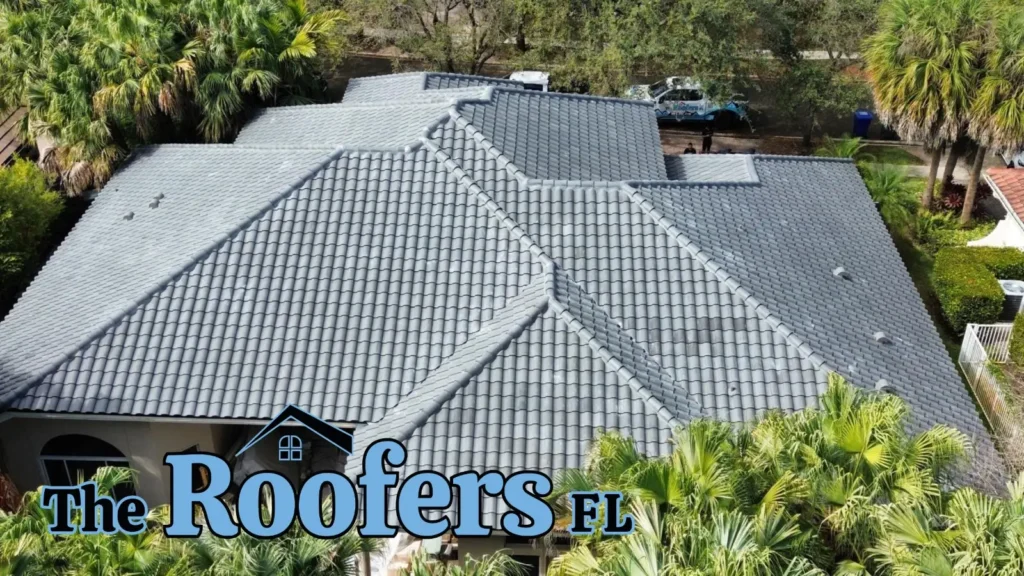
Choosing the right roofing system is an important decision for every Florida homeowner. Because the state experiences intense sunshine, heavy rainfall, high humidity, and seasonal hurricanes, a roof must provide dependable protection throughout changing weather conditions. Therefore, finding the Best Shingle Roof Installation Florida homeowners can rely on means considering material quality, installation standards, ventilation, durability, and long-term maintenance. Asphalt shingles remain a popular roofing option because they offer a range of styles, colors, and price points. Furthermore, modern shingle products are available in different designs to suit traditional homes, contemporary properties, and various architectural styles. However, even high-quality shingles may fail prematurely when they are installed incorrectly or maintained poorly. Consequently, selecting an experienced roofing contractor is just as important as choosing the right materials. A properly planned installation can help protect your home, support efficient roof drainage, and reduce the likelihood of avoidable roofing problems. The Roofers FL provides roofing services, including roof repair, roof maintenance, roof replacement, emergency roofing, tile roofing, metal roofing, and flat roofing. Therefore, homeowners considering a new shingle roof can explore their options while evaluating the needs of their property. In this guide, you will learn how to choose shingle roofing materials, understand the installation process, recognize common mistakes, estimate important cost factors, and maintain your roof for reliable performance in Florida’s demanding climate. Why Shingle Roofing Is a Popular Choice in Florida Shingle roofing is widely used on residential properties because it combines practical performance with a variety of design options. In addition, asphalt shingles are available in different colors and profiles, allowing homeowners to complement their property’s exterior without choosing an entirely different roofing system. Another advantage is that shingle roofs can be installed on many residential roof designs when the roof slope, structure, and product specifications are suitable. Moreover, individual damaged shingles can sometimes be repaired or replaced without replacing the entire roof. However, Florida’s climate creates specific challenges. Strong sunlight can contribute to material aging, while heavy rain may expose weaknesses in flashing, valleys, and roof penetrations. Furthermore, tropical storms and hurricanes can subject roofing systems to high winds and wind-driven rain. For these reasons, homeowners should select shingles that meet the property’s requirements and applicable Florida building codes. Equally important, the contractor must install the complete roofing system according to the manufacturer’s instructions. The Roofers FL offers roof replacement services for property owners planning to replace an aging or damaged roof. A professional assessment can help determine whether shingle roofing is appropriate for the home. Types of Shingles to Consider for Florida Homes Before choosing a roofing product, it helps to understand the main shingle options available. Although asphalt shingles are common, different product categories offer different appearances, construction, and performance characteristics. Shingle type Main characteristics Important considerations Three-tab asphalt shingles Traditional, relatively flat appearance Compare wind ratings, product specifications, and expected service life Architectural asphalt shingles Layered appearance with added visual dimension Often heavier than basic three-tab products; verify roof suitability Premium or designer shingles Distinctive profiles and decorative finishes Higher material costs may apply Impact-rated shingles Designed and tested for specified impact performance Ratings vary; impact resistance does not mean storm-proof Wind-rated shingles Tested for performance under specified wind conditions Installation details and applicable code requirements remain essential However, not every shingle product offers the same level of protection. Therefore, homeowners should compare manufacturer specifications, applicable approvals, warranty terms, and wind-resistance ratings rather than choosing based on appearance alone. Additionally, the roof’s slope and existing structure may limit which products are suitable. A qualified contractor can explain the options and recommend materials that meet the property’s needs. Important Features of the Best Shingle Roof Installation in Florida A successful roof installation involves more than placing shingles across the roof surface. Instead, the entire roofing assembly must work together to help manage moisture, ventilation, and weather exposure. Wind resistance: Florida homeowners should consider shingles with appropriate wind-resistance ratings for their location and building requirements. Furthermore, correct fastening and installation patterns are essential because even suitable products can perform poorly when installed incorrectly. Water protection: Underlayment, flashing, valleys, and roof penetrations help protect vulnerable areas. Consequently, careful detailing around chimneys, vents, skylights, and roof edges is important. Ventilation: Appropriate attic ventilation can help manage heat and moisture, depending on the building design. However, ventilation must be designed as part of a complete roof assembly rather than added without considering existing airflow. Material compatibility: Shingles, underlayment, flashing, fasteners, and other components should be compatible with one another. In addition, the system should follow manufacturer requirements and applicable building codes. Proper drainage: Roof slope and drainage details help water move away from the structure. Therefore, roof valleys, gutters, and other drainage components should be inspected during installation planning. Workmanship: Experienced installation helps ensure that shingles are positioned, fastened, and sealed according to the product specifications. As a result, the roofing system has a better opportunity to perform as intended. How Florida Weather Affects Shingle Roof Performance Florida’s climate makes roofing quality particularly important. Although shingles are designed to protect buildings from the elements, long-term exposure to weather can gradually affect roofing materials. First, strong ultraviolet radiation contributes to the aging of roofing components. Over time, this exposure may affect the appearance and condition of shingles. Additionally, heat can place demands on the roof assembly, especially when ventilation is inadequate. Second, heavy rain can reveal weaknesses in flashing, underlayment, or roof penetrations. If water enters the roofing assembly, it may damage decking, insulation, ceilings, and interior finishes. Consequently, addressing leaks promptly is important. Third, high winds can lift or damage shingles, particularly when roofing components are aged, improperly fastened, or exposed to severe weather beyond their design limits. Therefore, selecting appropriate products and following installation requirements are essential. Finally, humidity can contribute to moisture-related problems when ventilation or moisture management is inadequate. However, the exact risks depend on the home’s design, roof assembly, and surrounding conditions. For these reasons, homeowners should choose roofing materials suitable for local conditions and arrange
Roofer for Roof Foam Insulation: Improve Energy Efficiency and Roof Performance in Florida

Florida’s hot temperatures, strong sunlight, high humidity, and seasonal storms can put considerable stress on a property’s roofing system. Consequently, homeowners and commercial property owners are increasingly interested in roofing solutions that help control heat, improve indoor comfort, and protect buildings from the elements. If you are searching for a roofer for roof foam insulation, understanding how spray foam roofing works and when it is appropriate can help you make a better investment. Roof foam insulation, particularly spray polyurethane foam (SPF), is a specialized roofing solution that can create a continuous insulating layer across a properly prepared roof surface. Unlike traditional insulation installed between framing members, spray foam roofing can combine insulation with a protective roof assembly when installed and finished with suitable coatings. Therefore, it may be worth considering for certain flat and low-slope roofs, especially where energy performance and water management are important. However, foam roofing is not automatically the best choice for every property. The existing roof condition, drainage design, building use, budget, and local code requirements must all be evaluated first. Moreover, professional installation is essential because poor surface preparation or inadequate protective coatings can undermine the system’s performance. The Roofers FL provides roofing services throughout South Florida, including roof repair, roof replacement, maintenance, and several roofing types. Accordingly, property owners can explore their roofing needs with a professional team and ask whether a foam roofing or insulation solution is appropriate for their particular building. What Is Roof Foam Insulation? Roof foam insulation is an insulating material applied to a roof assembly to help reduce heat transfer. One common option is spray polyurethane foam, which is created when two chemical components react during application and expand into a foam layer. As the material expands, it can form a relatively continuous layer that follows the shape of the prepared roof surface. Consequently, it can reduce many gaps that would otherwise allow heat to move through the building envelope. In a typical spray foam roofing system, the foam is installed over a suitable substrate and protected with a compatible coating. The coating helps shield the foam from ultraviolet radiation and weather exposure. Therefore, the performance of the complete roofing system depends on more than the foam itself. A properly designed system may offer several advantages: Nevertheless, results depend on installation quality, foam thickness, coating condition, climate exposure, and the overall building design. Why Roof Foam Insulation Matters in Florida Florida’s climate creates specific challenges for roofing systems. For example, intense sunshine can heat roof surfaces considerably, while warm and humid conditions increase the importance of proper moisture management. Additionally, air-conditioning systems often work hard to maintain comfortable indoor temperatures. Therefore, reducing unwanted heat transfer through the roof may contribute to improved energy performance. Reducing Heat Transfer Through the Roof First, insulation slows the movement of heat from a hot roof into the building below. As a result, indoor temperatures may become easier to manage when the insulation is correctly integrated with the rest of the building envelope. However, insulation is only one part of energy efficiency. Air leakage, windows, ventilation, ductwork, and cooling equipment also influence indoor comfort and energy consumption. Supporting Indoor Comfort Next, a well-insulated roof can help reduce temperature differences between rooms and the space directly beneath the roof. This may be particularly beneficial in buildings with large roof areas or rooms that become uncomfortable during the hottest part of the day. Furthermore, a complete building assessment can identify whether insulation, air sealing, ventilation improvements, or other upgrades would provide the greatest benefit. Managing Exposure to Weather In addition to heat, Florida roofs must withstand heavy rainfall, humidity, and periods of strong wind. A properly designed foam roofing assembly can provide a continuous surface beneath its protective coating. However, foam alone does not guarantee a waterproof roof. Instead, the entire assembly must be designed and installed correctly, with particular attention to seams, penetrations, drainage, flashing, and coating integrity. What Should You Look for in a Roofer for Roof Foam Insulation? Choosing a qualified roofing professional is an important step because spray foam systems require specialized preparation and application. Therefore, property owners should look beyond the initial estimate and evaluate the contractor’s experience, proposed materials, installation procedures, and maintenance recommendations. Experience With the Existing Roof Type First, confirm that the contractor understands your existing roof assembly. For example, a flat commercial roof may require a different assessment from a residential roof with steep slopes and tile coverings. The Roofers FL works with several roofing types, including metal, tile, shingle, and flat roofing. You can review its flat roofing services for low-slope roof systems to explore available roofing solutions and discuss whether your roof is a suitable candidate for a specialized insulation system. Importantly, do not assume that every roofing contractor installs spray polyurethane foam. Ask directly about foam system availability, qualifications, and experience with the specific assembly being considered. A Thorough Roof Inspection Next, a contractor should assess the existing roof before recommending a new insulation system. This inspection may identify trapped moisture, damaged decking, deteriorated membranes, drainage problems, or previous repairs that affect installation. Moreover, applying a new system over an unsuitable substrate can conceal underlying problems. Consequently, existing damage should be evaluated and addressed before installation begins. Appropriate Materials and Protective Coatings The foam, substrate, flashing details, and protective coating must be compatible with one another. Additionally, the selected system should be suitable for the building’s exposure, expected maintenance, and applicable building requirements. Ask the contractor to explain the proposed materials, installation thickness, coating type, warranty conditions, and inspection schedule. That way, you can compare estimates based on the complete roofing system rather than price alone. Clear Estimates and Project Communication Finally, a reliable estimate should explain the work being proposed. It should identify surface preparation, repairs, insulation materials, coating application, drainage considerations, cleanup, and any exclusions. For example, a low initial estimate may not include repairs to wet insulation or damaged decking. Therefore, understanding the full scope helps you compare the actual
Custom Metal Roofing Systems: A Smart Roofing Solution for South Florida Homes

Choosing a roof is one of the most important decisions a property owner can make. After all, a roofing system protects the building, influences its appearance, and affects how well it handles changing weather conditions. In South Florida, intense sunshine, heavy rainfall, humidity, and tropical storms make that decision even more important. Therefore, many homeowners are exploring custom metal roofing systems as a durable and attractive option for their properties. Unlike a one-size-fits-all approach, custom metal roofing allows homeowners to consider different panel profiles, finishes, colors, and design details. Consequently, the finished roof can complement the architecture of the property while meeting its practical requirements. However, customization involves more than choosing a color. Roof slope, drainage, fastening methods, flashing, ventilation, and local building requirements must also be considered. The Roofers FL provides roofing services throughout South Florida, including metal roofing installation, repairs, replacements, and maintenance. With professional guidance, property owners can compare available options and determine which roofing system fits their building and budget. Whether you are planning a new construction project or considering an upgrade to an aging roof, understanding your options is the first step toward making a confident decision. What Are Custom Metal Roofing Systems? Custom metal roofing systems are roofing assemblies designed around a property’s structural requirements, architectural style, and performance goals. They may include specially selected metal panels, colors, coatings, trim, flashing, and fastening components. For example, a homeowner with a modern architectural design may prefer clean lines and concealed fasteners. Meanwhile, another homeowner may want a more traditional metal roof profile that complements the existing exterior. In either case, the goal is to combine appearance with proper roofing performance. Therefore, a contractor should evaluate the roof’s dimensions, slope, drainage patterns, and other design features before recommending a system. Metal roofing can be manufactured from different materials, including steel and aluminum. However, each material has different characteristics, finishes, and installation considerations. As a result, the most suitable option depends on the property, exposure conditions, product specifications, and available budget. Additionally, a custom roof should be designed as a complete system rather than as a collection of individual panels. Underlayment, flashing, fasteners, edge details, and ventilation all contribute to the roof’s overall performance. Why Consider Custom Metal Roofing in South Florida? South Florida’s climate creates specific challenges for residential and commercial roofing. Consequently, property owners should consider how their chosen materials will perform under heat, rain, humidity, and potential storm conditions. Custom metal roofing can offer several advantages when the product is selected appropriately and installed according to its specifications. Design flexibility: Metal roofing is available in a variety of profiles, colors, and finishes. Therefore, homeowners can choose an appearance that complements their property’s architectural design. Durability: Properly selected metal roofing materials can provide long-term service. Nevertheless, actual performance depends on the metal type, protective finish, installation quality, environmental exposure, and maintenance. Rainwater management: Correctly designed panels, flashing, and roof drainage details help direct rainwater away from vulnerable areas. In addition, suitable guttering and downspouts can support effective water management. Potential energy benefits: Some metal roofing products have reflective finishes that reduce solar heat absorption. However, actual energy performance depends on the coating, roof assembly, insulation, ventilation, and other building characteristics. Maintenance planning: Metal roofing can have relatively straightforward maintenance needs when compared with some roofing systems. Even so, regular inspections remain important because fasteners, sealants, flashing, and drainage components may require attention over time. Most importantly, no roofing material is completely immune to storm damage. Therefore, homeowners should verify the product’s applicable wind ratings, installation requirements, and compliance with Florida building codes instead of relying on broad marketing claims. Types of Custom Metal Roofing Systems Before selecting a roof, it helps to understand the main system options. Although the exact styles available depend on the manufacturer and project, several common designs are worth discussing with a roofing contractor. Standing seam metal roofing: This system features raised seams between panels. Depending on the design, its fasteners may be concealed beneath the panel connections. Consequently, standing seam roofing can create a clean, contemporary appearance. Exposed-fastener metal roofing: These panels are secured with visible fasteners. They may suit certain residential, agricultural, or commercial applications. However, the fasteners and washers require appropriate installation and periodic inspection. Metal shingles and tiles: These products are designed to resemble traditional roofing materials while using metal as the primary roofing material. Therefore, they can be an option for homeowners who want a familiar appearance with a different roofing construction. Custom metal trim and flashing: Ridge caps, eave details, valleys, and other transitions can be designed to coordinate with the selected roofing system. Furthermore, these components help protect areas where water could otherwise enter the building. Not every design is suitable for every roof. For instance, panel systems have specific slope requirements, and certain roof geometries require specialized detailing. As a result, the contractor should confirm compatibility before finalizing the material selection. Property owners can explore metal roofing installation and repair options to learn more about the solutions offered by The Roofers FL. How to Choose the Right Metal Roofing Material Selecting the right metal roofing material involves balancing durability, appearance, maintenance, and cost. Therefore, it is important to compare product specifications rather than making a decision based on appearance alone. Steel is commonly used in roofing because it offers strength and can be manufactured with protective coatings. However, coating quality and appropriate detailing are particularly important in environments where moisture and salt exposure may affect corrosion resistance. Aluminum is another option worth discussing, especially for properties where corrosion resistance is an important consideration. Nevertheless, the exact product, finish, fastening system, and installation details still matter. Additionally, consider the color and coating. Lighter or specially reflective finishes may help reduce solar heat absorption under suitable conditions. At the same time, homeowners should ask how the finish handles fading, weather exposure, and cleaning requirements. Before making a final decision, ask your contractor: By asking these questions, you can compare options more accurately. Furthermore, a
Retail Store Roof Replacement Near Me: Reliable Roofing Solutions for Commercial Properties

When a retail store develops roofing problems, the impact can extend far beyond the building itself. Water leaks, damaged roofing materials, and deteriorating roof systems can disrupt business operations, damage merchandise, and create an uncomfortable shopping environment. Therefore, searching for retail store roof replacement near me is an important step for business owners who want to protect their property and maintain a dependable commercial space. Unlike many residential roofs, retail store roofs must support the needs of a busy commercial environment. For example, a shopping center or standalone retail building may have a large flat roof, rooftop equipment, drainage systems, and multiple areas that require specialized attention. Consequently, choosing the right roofing materials and replacement approach is essential. In Florida, roofs also face intense sunlight, heavy rainfall, humidity, and seasonal storms. Over time, these conditions can accelerate roofing deterioration, particularly when the existing system has reached the end of its useful life. Furthermore, neglected roofing problems may lead to interior water damage, insulation issues, and expensive repairs. The Roofers FL helps property owners address roofing needs through services that include roof replacement, roof repair, maintenance, emergency roofing, tile roofing, metal roofing, and flat roofing. Therefore, whether your retail property has an aging roof or recurring leaks, understanding the replacement process can help you make an informed decision. Why Retail Stores Need Professional Roof Replacement A retail store roof protects the building, merchandise, employees, customers, and equipment inside. However, roofing materials naturally deteriorate over time, especially when exposed to demanding weather conditions. For instance, repeated rainfall may expose weaknesses in roof seams, flashing, and drainage areas. Similarly, prolonged sunlight can contribute to material aging. As a result, a roof that once performed reliably may begin to develop leaks or require increasingly frequent repairs. Although repairing isolated damage may be sufficient in some situations, extensive deterioration can make complete replacement a more practical long-term option. Moreover, replacing a failing roof can provide an opportunity to address drainage concerns, improve material selection, and correct underlying installation issues. Professional assessment is important because visible damage does not always reveal the full condition of the roof. A qualified roofing contractor can examine the existing materials, roof structure, flashing, drainage, and other relevant components before recommending a solution. If your retail property is experiencing repeated leaks or widespread roof deterioration, explore commercial roof replacement services from The Roofers FL to understand the available options. Signs Your Retail Store May Need a New Roof Recognizing roofing problems early can help business owners plan repairs or replacement before damage affects more areas of the property. Nevertheless, some roofing issues develop gradually and may remain unnoticed until water enters the building. Therefore, regular inspections are valuable for retail properties, particularly after severe weather or when the roof is older. Warning sign What it may indicate Recommended action Repeated interior leaks Damaged roofing materials, seams, or flashing Arrange a professional roof inspection Widespread cracking or blistering Material deterioration or moisture-related problems Have the roof system assessed Ponding water on a flat roof Drainage or slope concerns Request a drainage and roofing evaluation Loose or missing roofing materials Weather damage or aging components Arrange prompt repairs and assess overall condition Rising repair frequency Widespread wear or recurring roof failures Compare repair and replacement options Visible sagging Possible structural or moisture-related damage Arrange an urgent professional assessment Damaged insulation or ceiling finishes Potential water intrusion Investigate the source of moisture However, these signs do not automatically mean the entire roof must be replaced. Instead, the decision should depend on the roof’s age, overall condition, repair history, and the extent of the damage. Consequently, a professional assessment can help determine whether targeted repairs are sufficient or a complete replacement is more appropriate. Benefits of Retail Store Roof Replacement Replacing an aging commercial roof can provide several benefits for retail property owners. Although the exact results depend on the roofing system and installation quality, a properly planned replacement can address existing weaknesses and support more reliable building performance. Improved protection against water intrusion: A new roof system can help protect merchandise, fixtures, inventory, and interior finishes when it is properly installed and maintained. Furthermore, suitable flashing and drainage details can reduce vulnerabilities around common leak locations. Fewer recurring roofing problems: If an existing roof has widespread deterioration, repeated patching may not provide a durable solution. Therefore, replacement may reduce the need to continually address failures across the same aging system. Better planning for business operations: Retail businesses must manage customers, staff, deliveries, and inventory. By planning roof replacement in advance, owners can coordinate the project around operating hours and reduce avoidable disruption. Opportunity to improve roof performance: Depending on the building and chosen system, replacement may provide an opportunity to address insulation, drainage, and material-selection concerns. In addition, a contractor can assess whether the existing roof assembly meets applicable requirements. Long-term property planning: A replacement project gives owners a clearer starting point for future inspections and maintenance. Consequently, it may become easier to plan roofing expenses and identify developing issues. Nevertheless, roof replacement is a substantial investment. Therefore, business owners should compare suitable materials, review the contractor’s proposal, and understand the scope of work before proceeding. Choosing the Right Roofing System for a Retail Store Retail buildings vary considerably in size, design, and function. For example, a standalone storefront may have a sloped roof, while a large retail facility may use a flat or low-slope commercial roofing system. Therefore, the best roofing material depends on the building’s structure, drainage requirements, weather exposure, maintenance expectations, and budget. Roofing system Potential advantages Important considerations Flat or low-slope roofing Suitable for many commercial building designs and rooftop equipment layouts Drainage, seams, penetrations, and waterproofing require careful attention Metal roofing Durable material options and potential for long service life with appropriate installation Initial cost, detailing, fastening, and compatibility with the building Tile roofing Distinctive appearance and durable tile options Structural support, underlayment, and individual tile condition Other compatible commercial systems May suit specific building designs and performance
Top Roofer for Office Complex Roofing: Reliable Commercial Roofing Solutions from The Roofers FL

A commercial office complex is more than just a building. It is a place where employees work, customers visit, businesses operate, and important daily activities continue. Therefore, the roof protecting that property plays a critical role in keeping everything underneath it safe, comfortable, and operational. When an office complex develops a roof leak, membrane failure, drainage issue, storm-related damage, or other roofing problem, the consequences can quickly become expensive. Water intrusion can affect ceilings, walls, insulation, electrical components, equipment, office furniture, and interior finishes. Furthermore, roofing problems can disrupt employees and create unnecessary interruptions for tenants and property managers. That is why choosing the right roofing contractor matters. If you are searching for a Top roofer for office complex roofing, The Roofers FL provides professional roofing solutions focused on commercial properties and their unique requirements. Rather than treating every roof the same way, professional roofing services should consider the building’s size, roofing system, drainage, rooftop equipment, accessibility, existing damage, and long-term maintenance requirements. Additionally, FEMA identifies roofing maintenance and repair as involving numerous components, including drainage systems, flashing, vents, roofing membranes, insulation, parapets, roof-mounted equipment, and roof decks. Therefore, a complete commercial roofing evaluation should look beyond the most obvious visible problem. Why Office Complex Roofing Requires Professional Expertise Office complexes often have large and complicated roofing systems. Unlike a small residential roof, a commercial office roof can cover a substantial area and may include HVAC equipment, vents, drains, walkways, rooftop utilities, penetrations, parapets, and multiple roofing sections. Consequently, even a seemingly small roofing defect can affect a much larger area. For example, a damaged membrane may allow moisture to enter the roofing assembly. Similarly, a clogged drain may contribute to standing water, while damaged flashing around rooftop equipment can create a hidden pathway for water intrusion. Moreover, commercial roofing problems are not always visible from the ground. That is why professional inspection and preventive maintenance are so valuable. Instead of waiting until water enters an occupied office, property owners and managers can identify vulnerabilities earlier and address them before they become major problems. Protect Your Office Complex from Costly Roofing Problems A commercial roof represents a significant investment. Therefore, protecting that investment should be part of a property’s long-term maintenance strategy. When roofing problems are ignored, the resulting damage can become progressively more complicated. A small opening can permit moisture into insulation or decking. Over time, persistent moisture can contribute to deterioration and create additional repair requirements. Furthermore, office complexes often contain expensive technology, furniture, documents, electrical systems, and business equipment. Consequently, preventing water intrusion is not simply about protecting the roof itself. It is also about protecting everything beneath it. The Roofers FL understands the importance of addressing roofing concerns before they become disruptive emergencies. Common Roofing Problems in Office Complexes Commercial office roofs can experience many different problems. However, several issues appear repeatedly across larger properties. Common concerns include: Additionally, rooftop equipment can create areas that require special attention. HVAC systems, vents, pipes, electrical equipment, and other penetrations can create additional points where roofing materials meet different components. Therefore, these locations should be evaluated carefully during a professional inspection. Why Preventive Commercial Roof Maintenance Matters Waiting until a roof leaks is rarely the most effective maintenance strategy. Instead, proactive inspections and preventive maintenance can help property managers identify developing problems before they become expensive emergencies. FEMA materials describe commercial roofing maintenance and repair as work that may be performed as scheduled or preventive maintenance, as well as in response to failures. Therefore, a planned maintenance approach can provide important advantages. For example, regular inspections may reveal damaged flashing, deteriorating membrane sections, blocked drainage components, or other vulnerabilities before they cause significant interior damage. Furthermore, maintenance allows property owners to plan repairs rather than reacting to unexpected emergencies. Professional Office Complex Roof Inspections A professional inspection should provide more than a quick visual look at the roof. Instead, the roofing contractor should evaluate the condition of major roofing components and identify areas that could create problems in the future. Depending on the property, an inspection may consider: Additionally, the condition of the surrounding areas can provide important clues. For instance, interior ceiling stains may indicate water intrusion even when the exact roof entry point is not immediately obvious. Therefore, professional investigation is often necessary before determining the correct repair. FAQ: Office Complex Roofing How often should an office complex roof be inspected? The appropriate inspection schedule depends on the roofing system, building age, weather exposure, previous repairs, and property conditions. However, routine professional inspections can help identify developing problems before they become major failures. Additionally, inspections after significant storms can help identify damage that may not be immediately visible. What are the warning signs of commercial roof damage? Warning signs can include ceiling stains, water intrusion, unusual odors, damaged roofing materials, standing water, deteriorated flashing, visible membrane damage, and problems around roof penetrations. However, some roofing defects may remain hidden until heavy rainfall occurs. Therefore, professional inspection is valuable when there is any reason to suspect a problem. Can a small commercial roof leak cause major damage? Yes. A small opening can allow moisture into areas that are not immediately visible. Over time, water can affect insulation, decking, ceilings, walls, and interior finishes. Consequently, even a minor leak should be investigated promptly. Should an office complex roof be repaired or replaced? That depends on the roof’s age, condition, roofing material, extent of damage, previous repair history, and overall performance. If the damage is localized and the existing system remains serviceable, repair may be appropriate. Conversely, widespread deterioration may make replacement a more practical long-term solution. Can rooftop HVAC equipment cause roofing problems? Rooftop equipment can create additional penetrations and transition points within a roofing system. Therefore, the areas surrounding HVAC units, vents, pipes, and other equipment should be inspected carefully. Proper detailing and maintenance can help reduce potential water intrusion. Why is commercial roof drainage important? Effective drainage helps move rainwater away from the roof. However, blocked,
Top Roofer for Leak Detection and Repair: Protect Your Florida Property with The Roofers FL

A roof leak can start as a small, almost invisible problem. However, over time, that minor issue can develop into serious water damage, damaged insulation, stained ceilings, deteriorated decking, mold growth, and expensive structural repairs. Therefore, when you notice signs of moisture around your home or commercial property, choosing the right roofing professional is extremely important. If you are searching for a Top roofer for leak detection and repair, The Roofers FL provides dependable roofing solutions designed to identify the source of leaks and address the underlying problem. Rather than simply covering up visible water stains, our approach focuses on understanding where the water is entering, why the roof is failing, and what repair solution can provide lasting protection. Furthermore, Florida properties face unique roofing challenges. Heavy rainfall, strong winds, tropical weather, intense sunlight, humidity, and seasonal storms can all place significant stress on roofing systems. In fact, FEMA guidance notes that roof-covering damage can allow wind-driven rain to enter buildings and contribute to extensive water intrusion. Consequently, professional leak detection and timely roof repair are essential for protecting your property. Why Professional Roof Leak Detection Matters Finding a roof leak is not always as simple as locating the water stain on your ceiling. In many cases, water travels along roofing materials, decking, insulation, framing, or other surfaces before becoming visible inside the property. As a result, the location of the interior stain may not be the actual location of the roof failure. For example, water could enter through a damaged flashing area several feet away from where the ceiling begins to show discoloration. Similarly, a compromised roof penetration, cracked seal, damaged shingle, loose tile, or deteriorated underlayment can allow moisture to travel before it reaches the interior. That is why professional leak detection is so valuable. The Roofers FL evaluates the roof systematically rather than relying solely on visible interior damage. This approach can help identify potential entry points and determine the appropriate repair strategy. Most importantly, accurate detection can prevent unnecessary repairs. Instead of replacing large portions of a roof without understanding the actual problem, a professional assessment can help target the damaged areas. Common Signs You May Have a Roof Leak Roof leaks do not always announce themselves with dripping water. In fact, some warning signs can be surprisingly subtle. Therefore, property owners should pay attention to changes inside and outside the building. Common warning signs include: Additionally, if a leak appears only during heavy rain or wind-driven storms, it can be particularly difficult to locate without professional inspection. For that reason, contacting a qualified roofer early can make a significant difference. Florida Weather Can Make Roof Leaks Worse Florida roofing systems must withstand demanding environmental conditions. Strong sunlight, intense heat, heavy rain, humidity, wind, and severe storms can gradually weaken roofing components. Moreover, storm-related damage can create opportunities for water intrusion. FEMA has documented situations in which damage to roof coverings and other building-envelope components allowed wind-driven rain to enter buildings, damaging insulation, walls, interior finishes, and belongings. Therefore, a roof that appears acceptable from the ground may still have vulnerabilities. After a major storm, it is especially important to look for damaged or displaced roofing materials, compromised flashing, damaged vents, clogged drainage components, and other potential entry points. However, homeowners should avoid climbing onto the roof themselves. Instead, a professional roofing contractor can evaluate the system more safely and thoroughly. The Roofers FL Provides Targeted Leak Detection At The Roofers FL, the goal is not simply to find water. Instead, the objective is to identify the source of the problem and determine the most appropriate solution. A professional roof assessment may involve examining: Additionally, the condition of the surrounding roofing system matters. For instance, repairing one visibly damaged shingle may not solve the problem if nearby materials have also deteriorated. Likewise, sealing an opening without correcting the underlying cause may only provide a temporary solution. Therefore, proper diagnosis should come before repair whenever possible. Why Ignoring a Roof Leak Can Become Expensive A small leak may seem manageable, especially when the dripping stops after the rain ends. Nevertheless, the absence of visible water does not necessarily mean the problem has disappeared. Moisture can remain inside roofing assemblies, insulation, walls, and ceilings. Over time, persistent moisture can contribute to: Furthermore, water intrusion can continue even when the original leak appears intermittent. That is why prompt attention is often the smarter financial decision. Addressing a roofing problem while it remains localized can potentially prevent it from developing into a much larger restoration project. FAQ: Roof Leak Detection and Repair How can I tell if my roof is leaking? Common signs include ceiling stains, damp areas, peeling paint, musty odors, attic moisture, damaged insulation, and visible roofing deterioration. However, the location of an interior stain does not always identify the actual source of the leak. Therefore, professional inspection is recommended when the source is unclear. Why is my ceiling leaking when I cannot see roof damage? Roofing leaks can originate from areas that are difficult to see from the ground. Water can travel beneath roofing materials or along structural components before appearing inside the property. Consequently, a professional inspection may be necessary to identify the actual entry point. Can a small roof leak cause major damage? Yes. Even a relatively small leak can create ongoing moisture exposure. Over time, that moisture may affect insulation, drywall, wood components, and interior finishes. Therefore, prompt repair is generally preferable to allowing a leak to continue. Should I repair or replace my roof? That depends on the roof’s age, condition, extent of damage, roofing material, previous repairs, and overall performance. If the damage is localized and the roofing system remains in good condition, repair may be appropriate. Conversely, widespread deterioration may make replacement a more practical long-term solution. Can heavy Florida storms cause hidden roof leaks? Absolutely. Wind-driven rain can enter through damaged roofing components, penetrations, flashing, or other vulnerable areas. FEMA specifically identifies roof-covering damage as one pathway for water
Trusted 24/7 Roofer for Emergency Roofing Services

A roofing emergency can happen when you least expect it. One moment, your roof may appear perfectly fine, and then, suddenly, a severe storm, fallen tree branch, strong wind, or unexpected leak can create an urgent problem. Therefore, having access to a trusted 24/7 roofer for emergency situations can make a major difference when your home or business needs immediate protection. At The Roofers FL, we understand how stressful unexpected roof damage can be. Because of that, our emergency roofing approach focuses on fast assessment, practical solutions, and dependable workmanship. Instead of allowing a small roofing problem to develop into extensive interior damage, homeowners can take action quickly and protect their property. Furthermore, emergency roofing is not simply about arriving quickly. It is also about understanding what needs immediate attention, determining whether temporary protection is necessary, and developing a permanent repair strategy. FEMA guidance similarly recognizes temporary roof protection as a way to prevent additional damage until permanent repairs can be completed by qualified professionals. Consequently, when you need a trusted 24/7 roofer for emergency, choosing an experienced roofing company can provide valuable peace of mind. What Is Considered a Roofing Emergency? Not every roofing issue requires immediate emergency service. However, certain situations should never be ignored. For example, an active roof leak during or after a storm can quickly introduce water into ceilings, walls, insulation, and other parts of a building. Similarly, missing shingles, exposed underlayment, damaged flashing, punctured roofing materials, or fallen tree branches can leave vulnerable areas exposed to additional weather. Additionally, a sagging ceiling or visible structural damage should be treated seriously. In these circumstances, the priority should be protecting people and avoiding unsafe areas before attempting any repair. Common roofing emergencies include: Therefore, when you notice serious or rapidly developing roof damage, contacting a professional emergency roofer is a smart next step. Why Fast Emergency Roof Repair Matters Roof damage can become more expensive when it is left untreated. For example, a small opening may allow rainwater to enter the roofing system. Then, that moisture can spread beyond the original problem area. As a result, homeowners may eventually face damaged insulation, ceilings, drywall, flooring, or personal belongings. Furthermore, prolonged moisture can create additional building-maintenance concerns. Because of this, quick action is especially important after severe weather. However, speed should never come at the expense of safety or quality. Instead, emergency roofing should begin with a careful assessment and a clear understanding of what can safely be done immediately. The goal is therefore twofold: first, reduce ongoing exposure to the elements; second, determine the appropriate permanent solution. Storm Damage Is a Common Roofing Emergency Florida properties can experience powerful weather conditions, including heavy rain, strong winds, tropical storms, and hurricanes. Consequently, roofing systems can face sudden and significant stress. High winds can lift or damage roofing materials. Additionally, wind-driven debris can puncture or impact roof surfaces. Heavy rain can then enter through newly exposed areas. FEMA has documented that wind-related roof-covering damage can become a major source of water intrusion, which is why appropriate roof coverings, underlayment, and related protection are important considerations in Florida. Therefore, after a major storm, it is wise to have your roof professionally evaluated even when damage is not immediately obvious from the ground. Emergency Roof Leak Repair A leaking roof is one of the most common reasons homeowners search for a trusted 24/7 roofer for emergency service. At first, a leak may appear as a small ceiling stain or occasional drip. Nevertheless, the visible water may not represent the full extent of the problem. Water can travel through roofing materials and building components before becoming visible inside the property. Consequently, a professional inspection is important. An emergency roofing professional can identify the affected area, determine whether immediate temporary protection is needed, and establish the next step for permanent repair. Furthermore, emergency leak service may involve temporary stabilization rather than a complete roof replacement during the first visit. This distinction is important because permanent repairs may require dry and safe conditions for accurate evaluation. Temporary Roof Protection After an Emergency Sometimes, weather conditions or the extent of damage make an immediate permanent repair impractical. In such situations, temporary protection may be necessary. For example, a professional may use appropriate temporary materials to cover an exposed area and reduce additional water intrusion until permanent repairs can be completed. FEMA describes temporary roof coverings as short-term protection intended to prevent additional damage while permanent repairs are arranged. However, a temporary repair should not be confused with a permanent roofing solution. Therefore, after temporary protection is installed, the roof should still receive a complete professional evaluation and appropriate permanent repair. FAQ: Trusted 24/7 Roofer for Emergency What should I do first when my roof suddenly starts leaking? First, prioritize safety. Keep people away from areas where water is near electrical fixtures, and avoid entering areas that appear structurally unsafe. If it is safe to do so, protect belongings from water and document visible interior damage. Then, contact a professional emergency roofer. Most importantly, do not climb onto a wet or storm-damaged roof yourself. Roof inspection and repair involve significant hazards, particularly following severe weather. OSHA specifically identifies hazards associated with roof inspection, tarping, and repair following hurricanes and other disasters. Can an emergency roofer repair my roof immediately? It depends on the condition of the roof and the weather. In some situations, a professional can complete a minor repair during the initial visit. However, if the roof is severely damaged or weather conditions are unsafe, temporary protection may be installed first. Then, once conditions allow, the roofing company can complete the permanent repair. Is emergency roof repair the same as roof replacement? No. Emergency roof repair focuses on addressing urgent damage and protecting the property. For example, a roofing contractor may repair a damaged section, secure loose materials, address an active leak, or install temporary protection. However, if the roof has extensive deterioration or severe structural damage, replacement may eventually be recommended. Therefore,
Trusted Solar Panel Roof Integration Services Near Me in Hollywood, Florida

Adding solar panels to your home can be an exciting way to improve energy efficiency and make better use of renewable energy. However, solar panels are only one part of the project. Equally important is the condition, design, and structural performance of the roof supporting them. Therefore, homeowners searching for trusted solar panel roof integration services near me Hollywood Florida need experienced professionals who understand both roofing requirements and the unique demands of solar-ready roof systems. For homeowners in Hollywood, Florida, this consideration is especially important. After all, South Florida roofs experience intense sunlight, heavy rainfall, high humidity, strong winds, and occasional severe storms. Consequently, installing solar equipment requires careful planning so that the roof continues to protect the home while supporting the new solar system. At The Roofers FL, we understand that successful solar panel integration starts with the roof. Instead of treating solar installation and roofing as completely separate concerns, homeowners can benefit from a coordinated approach that considers roof condition, waterproofing, mounting areas, flashing, drainage, ventilation, and long-term maintenance. Why Solar Panel Roof Integration Matters First of all, solar panels need a stable and dependable surface. If a roof is already deteriorating, installing solar equipment may create complications later. For example, an aging roof may require replacement shortly after solar panels are installed. Consequently, the homeowner could face additional labor and equipment costs when the panels have to be removed and reinstalled. Therefore, evaluating the roof before solar installation is an essential step. A professional roof assessment can help determine: As a result, homeowners can make a more informed decision before investing in a solar energy system. Why Hollywood, Florida Homes Need Specialized Roofing Consideration Hollywood, Florida has a warm, humid climate with significant sun exposure and periods of heavy rainfall. Therefore, roofing systems must be able to handle demanding environmental conditions. Throughout the year, ultraviolet exposure can affect roofing materials. Meanwhile, heavy rain can test drainage systems, flashing, penetrations, and roof seals. Furthermore, strong winds and severe storms can place additional stress on roofing components and rooftop equipment. Because solar panels become part of the rooftop environment, their integration should be planned with local conditions in mind. Consequently, homeowners should not choose a solar-ready roofing solution based only on panel placement. Instead, the entire roof system should be considered. Assessing the Roof Before Solar Integration Before installing or integrating solar panels, a roof inspection is highly valuable. First, roofing professionals can examine the visible condition of the roof. Next, they can identify areas that may need repair or replacement. For instance, damaged shingles, deteriorated membranes, cracked tiles, worn flashing, or other weaknesses should be addressed before rooftop solar equipment is installed. Additionally, the roof’s remaining service life should be considered. If a roof is already approaching the end of its useful life, replacing the roof before installing solar panels may be a more practical long-term strategy. Therefore, a pre-installation roof assessment can help homeowners avoid unnecessary complications later. Solar Panels and Roof Longevity A well-planned solar system should work with the roofing system rather than create avoidable problems. However, rooftop equipment can introduce new attachment points and areas that require careful waterproofing. Consequently, installation details matter. Properly planned integration can help protect the roof from unnecessary moisture intrusion while ensuring that the solar system has suitable mounting support. Furthermore, professional coordination can make future roof maintenance easier. Choosing the Right Roofing Material for Solar Integration Different roofing materials require different approaches. For example, asphalt shingle roofs may have different mounting and flashing considerations than tile roofs or low-slope membrane systems. Therefore, homeowners should consider the existing roof material before planning solar integration. Asphalt Shingle Roofs Asphalt shingles are common in residential properties and can work with many solar systems when properly installed. However, mounting hardware must be installed carefully to avoid unnecessary water-entry risks. Tile Roofs Tile roofs are popular in many Florida communities. Nevertheless, working around tiles requires careful handling because individual tiles can crack or break if improperly accessed. Therefore, professional planning is particularly important when integrating solar equipment with tile roofing. Metal Roofs Metal roofing can provide a durable platform for certain solar integration approaches. However, attachment methods vary depending on the specific metal roof design. Consequently, the roofing system should be evaluated before installation. Low-Slope Roofing Low-slope or flat roofing systems require special attention to drainage and waterproofing. Because water movement can differ from conventional sloped roofs, solar mounting systems should be designed carefully to preserve drainage performance. Waterproofing Is Critical One of the most important aspects of solar panel roof integration is moisture protection. After all, rooftop penetrations can become potential water-entry points if they are not properly installed and sealed. Therefore, professional installation should prioritize waterproofing around mounting areas and other affected roof components. Furthermore, existing flashing should be evaluated before new equipment is installed. If flashing is already deteriorated, installing solar equipment without addressing it could increase the likelihood of future leaks. Consequently, waterproofing should never be treated as an afterthought. Roof Flashing and Solar Integration Flashing helps direct water away from vulnerable roof transitions. When solar mounting hardware is introduced, the affected roof areas require careful attention. For example, improperly sealed attachment points can allow water to enter beneath roofing materials. Over time, even a small leak can potentially cause damage to insulation, decking, ceilings, walls, or interior finishes. Therefore, homeowners should prioritize professional workmanship when choosing trusted solar panel roof integration services near me Hollywood Florida. Structural Considerations for Solar Panels Solar panels and mounting equipment add weight to a roof. Although residential roofs are generally designed to support expected loads, the roof structure should still be evaluated before significant modifications. Additionally, the age and condition of the roof may influence the appropriate approach. Therefore, a professional assessment can help identify potential concerns before installation begins. This is particularly important for older homes where roofing or structural components may have undergone years of weather exposure. Solar Integration and Roof Ventilation Ventilation is another factor that should